Passion · Chemistry
Chemistry: A Scientific Curiosity
How does chemistry become medicine?
- Program
- Northwestern University CTD
- Course
- Chemistry of Medicine
- Location
- Shanghai
- When
- Summer 2026 · Five days
01 / Into the laboratory
From formulas to experiments
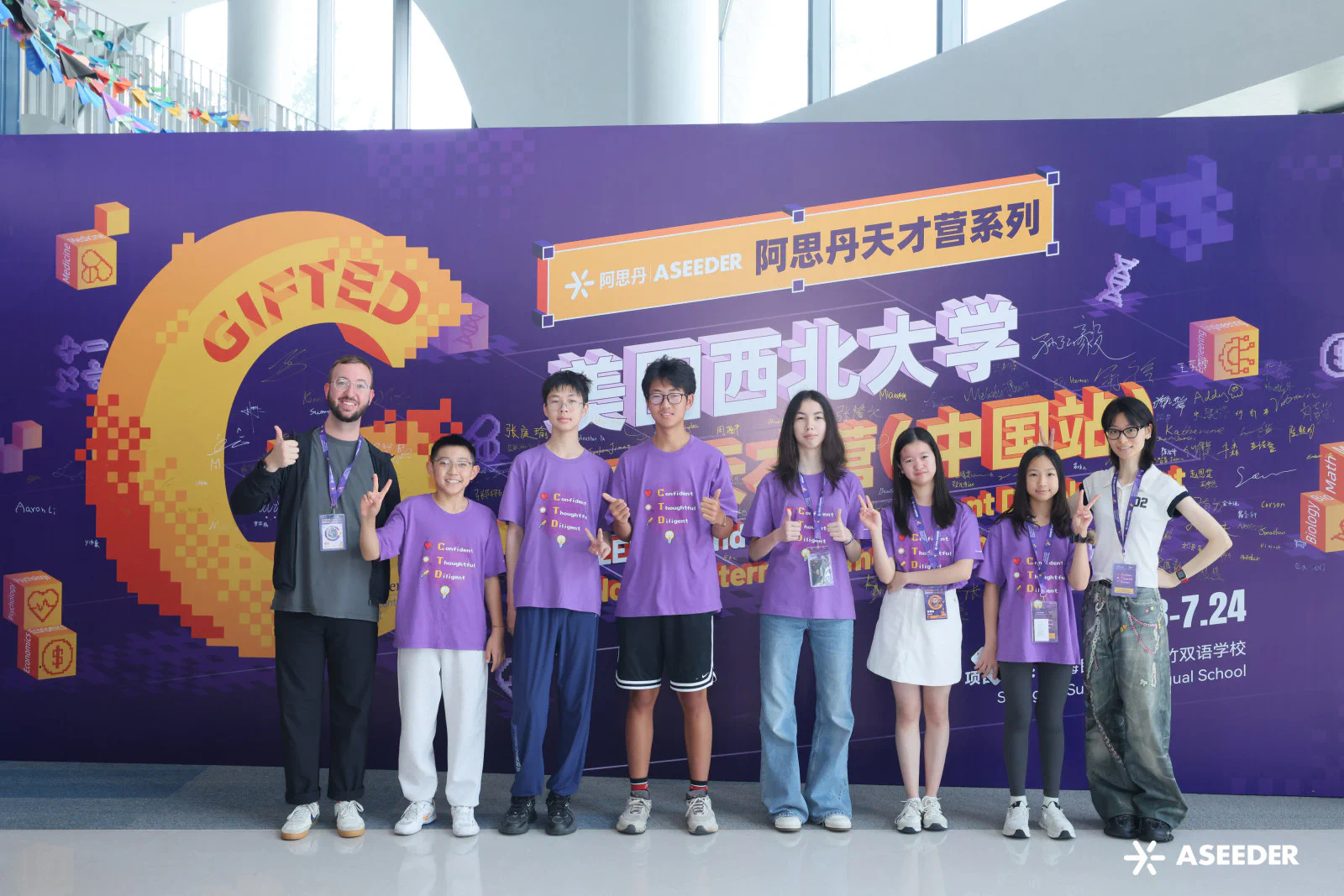
In the summer of 2026, I spent five days at the Northwestern University Center for Talent Development (CTD) Summer Program in Shanghai, taking Chemistry of Medicine. The course kept asking one question: how does chemistry become medicine?
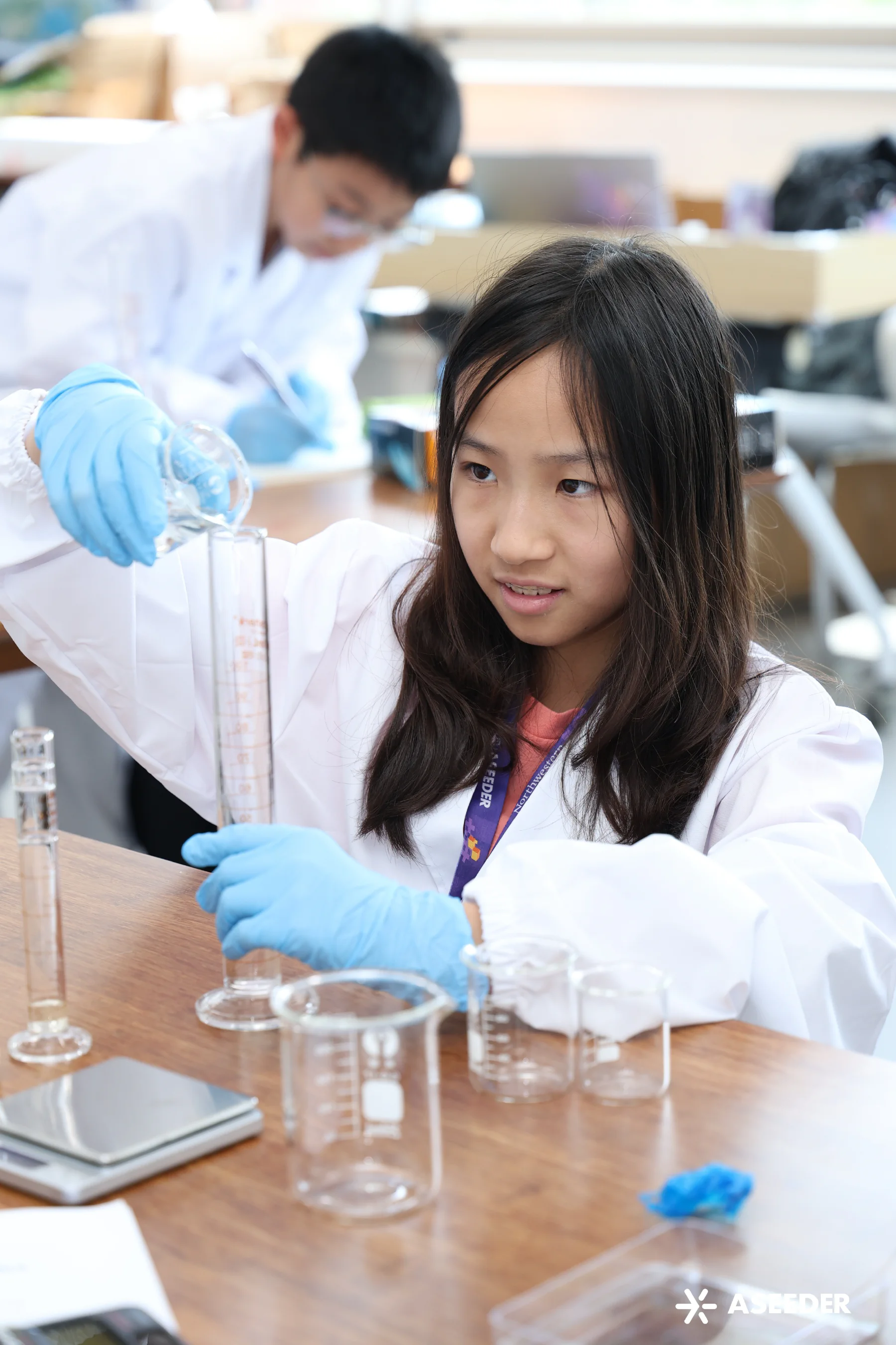
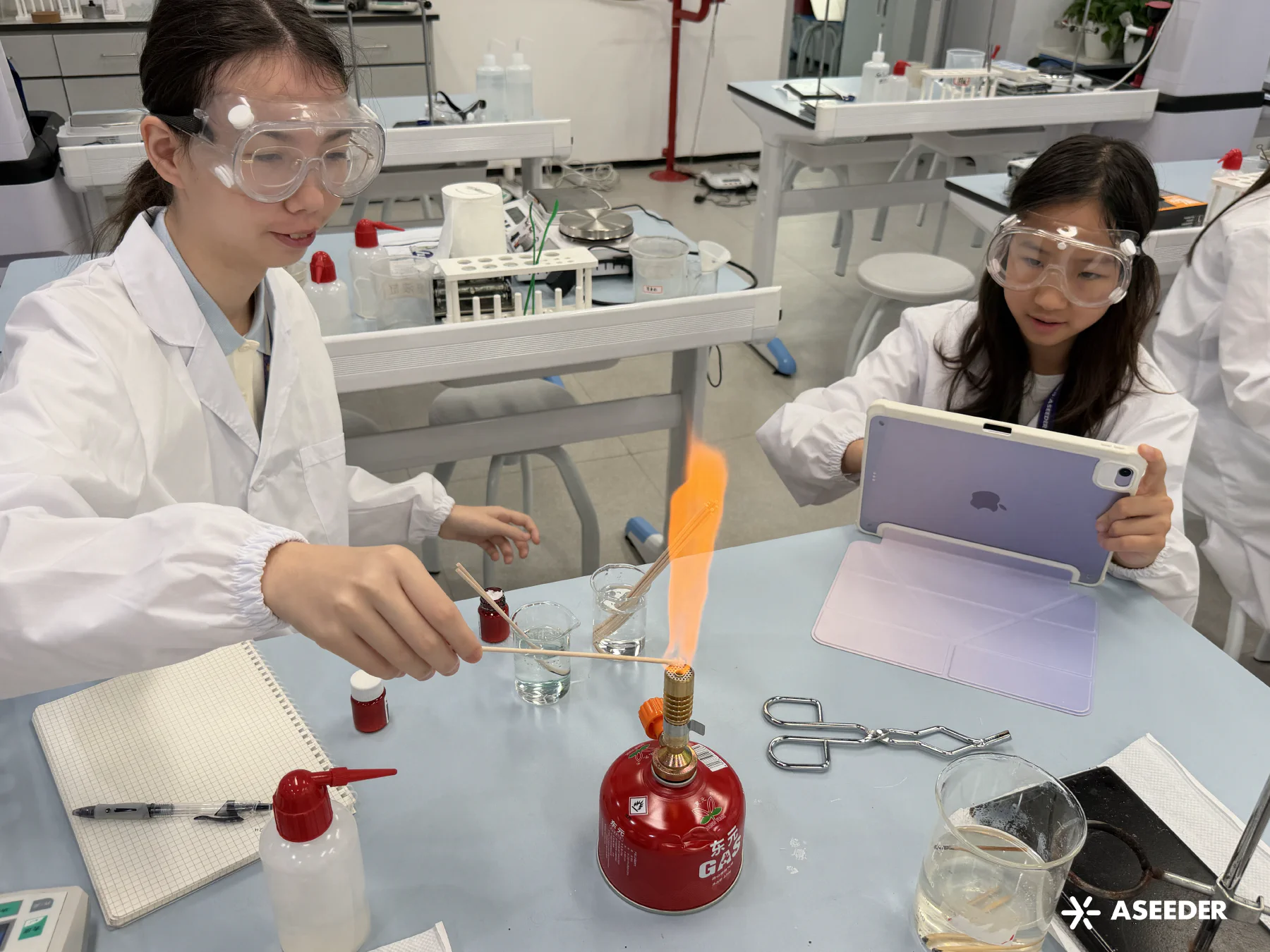
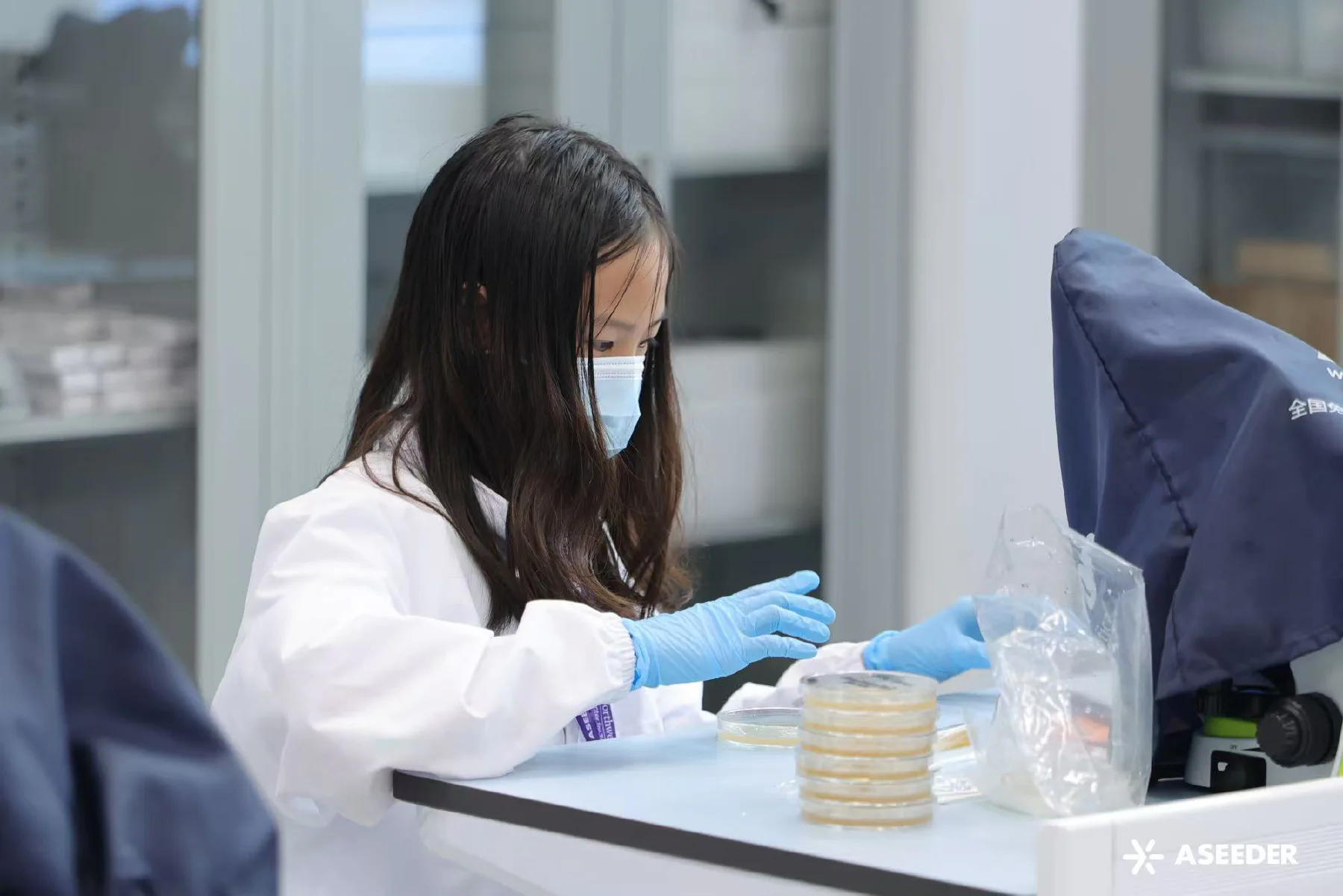
We decomposed baking soda and compared theoretical and actual yields, titrated aspirin, ran flame tests, and finally made our own ester samples and tested how they affected bacterial growth. The project helped me connect formulas from class with things I could see and measure.
02 / Ester synthesis
When chemistry became tangible
I found that understanding a lesson and doing an experiment were different challenges. In the ester synthesis, each of us chose our own ester; mine was octyl salicylate.
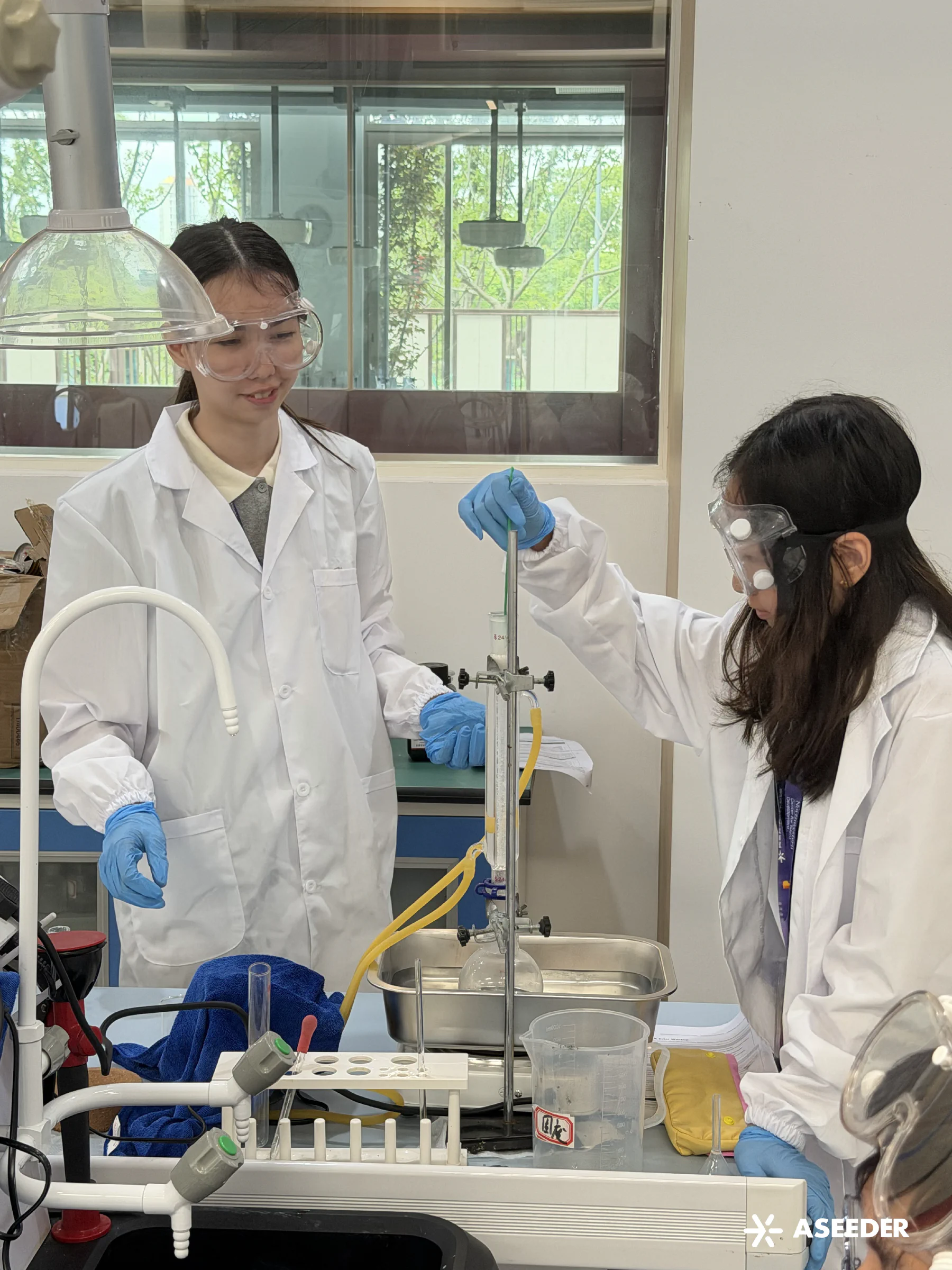
My partner and I assembled a reflux condenser and warmed our mixture in a water bath. The condenser cooled the vapor back into liquid during heating. Working with the apparatus made the science feel more concrete.
When my sample gave off a faint, sweet scent, chemistry stopped being an equation; it became something I could smell.
03 / Molecular models
Making structure visible
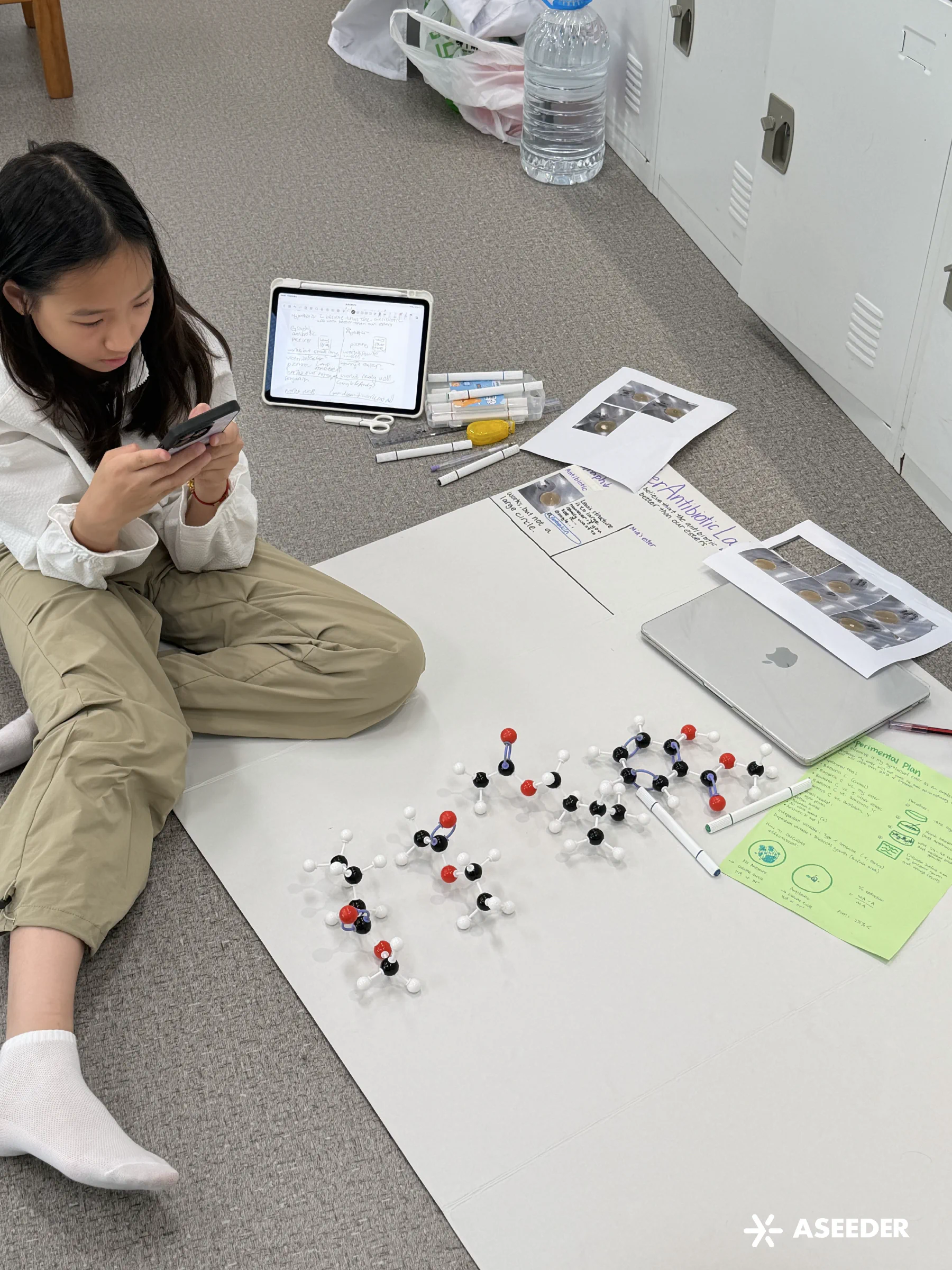
For our poster, I was responsible for the ball-and-stick models. I built models of our ester molecules, checking every bond and atom against our Lewis structures.
The balls represent atoms, while the sticks show the bonds connecting them. A three-dimensional model makes these connections easier to follow than a flat drawing alone. On our poster, the models linked the chemical structures to the ester samples described in our experiment.
The models gave us a visual way to explain molecular structure alongside our experimental results.
04 / Evidence & explanation
A result needs a sound design
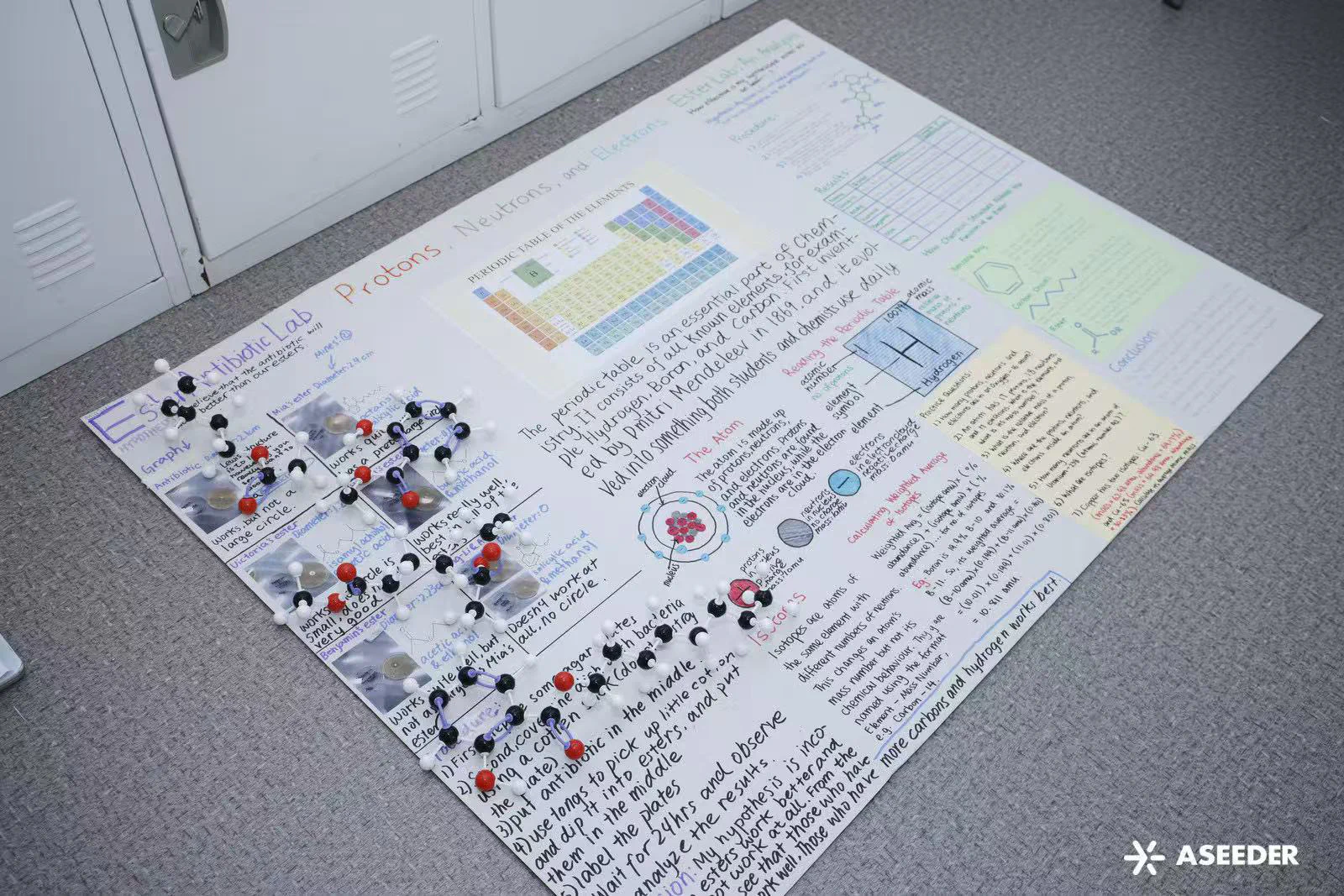
We brought our methods, results, and models together in a group poster. My sample produced an inhibition zone measuring 2.40 cm across: an area where bacterial growth was stopped.
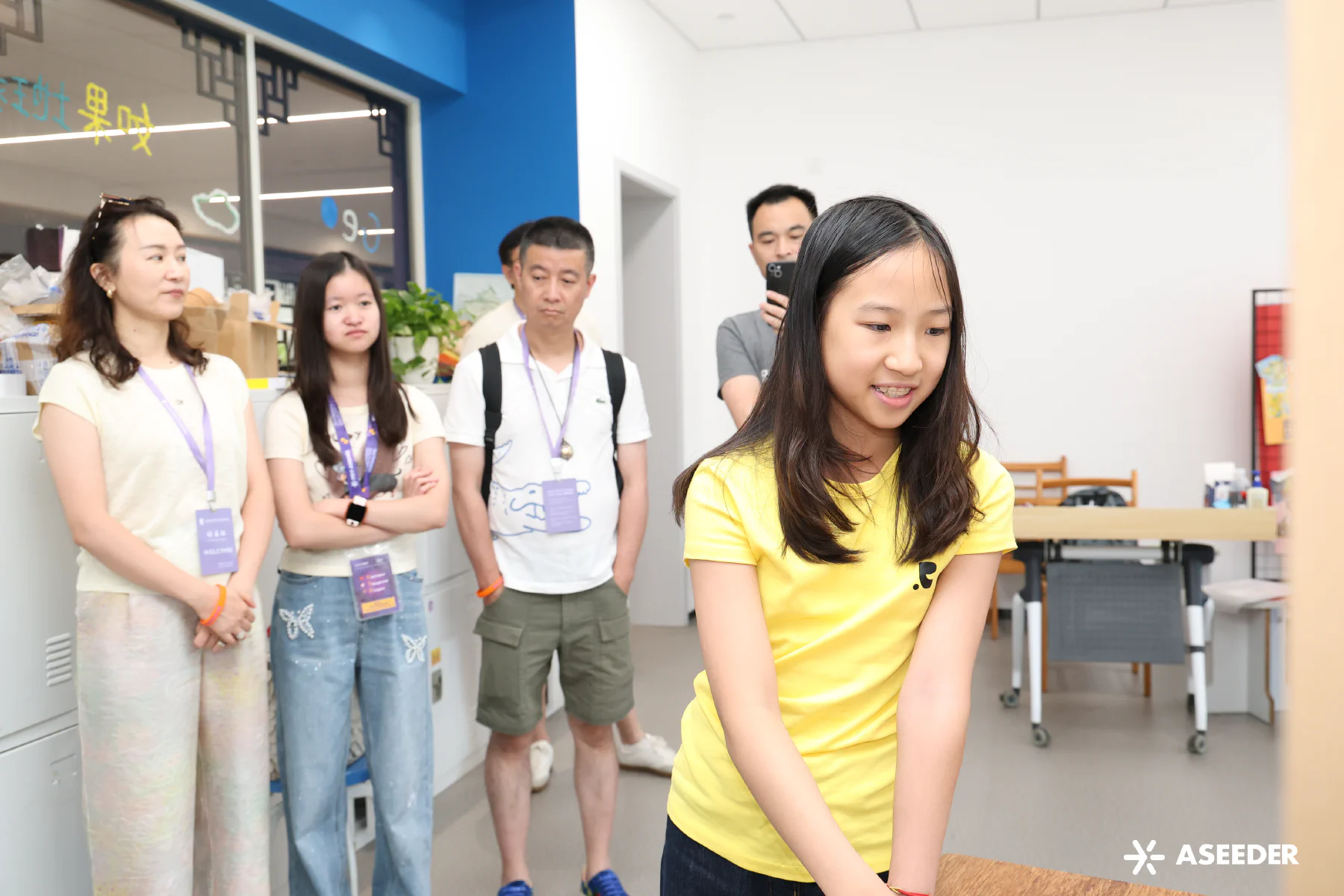
I represented our group in the presentation to our instructor, walking through our hypothesis, variables, and control. Explaining why we kept a control disk taught me that a result only counts when the design behind it is sound.
2.40 cminhibition zone measured for my ester sample
05 / The next question
Curiosity beyond the course
The experiments helped me remember what I had learned and made me more interested in chemistry. They also left me with a question I want to explore next: does a longer carbon chain make an ester more or less antibacterial?
Next time, I want to design the experiment myself.