Passion / Books
Reading &
Reflections
Growing Through Stories
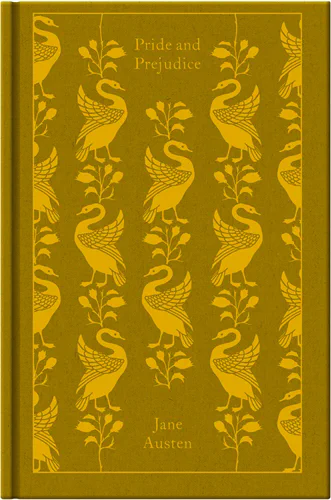
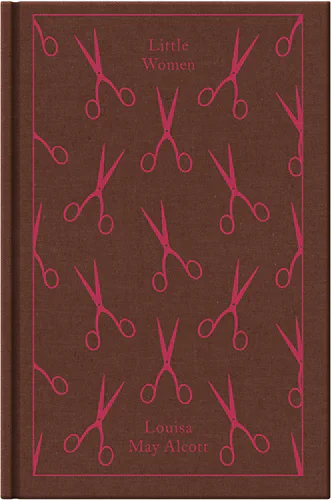
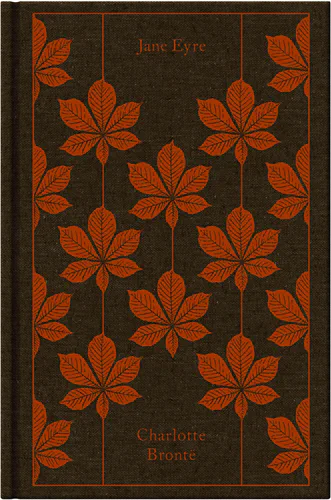
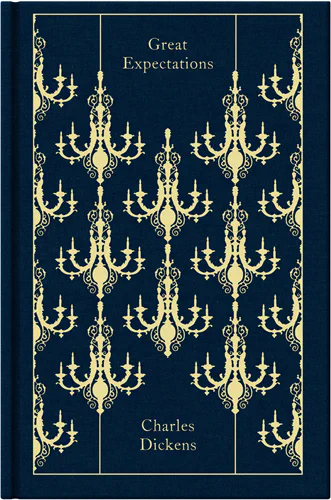
I love reading classics, especially stories about women finding their own voices and deciding how they want to live. Some of the books I have read include Pride and Prejudice, Little Women, Jane Eyre, and Great Expectations. Although their worlds are different from mine, the characters’ questions about family, belonging, and the future still feel familiar.
I am especially interested in characters like Elizabeth Bennet, Jo March, and Jane Eyre. They have their own ambitions and opinions, even when other people expect them to behave differently. Their strength makes me think about what it means to stand up for myself while learning from my mistakes. When I write about books, I try to understand the characters’ choices and how their experiences change them. Their stories help me think about the person I want to become.
My Reflections
Essay 01 Social Class and Ambition in Great Expectations Click to readClick to close
Charles Dickens’s Great Expectations explores the strict social divisions of Victorian society through Pip’s bittersweet attempt to climb the social ladder. Pip comes from a humble background and dreams of becoming a gentleman, but his expectations eventually leave him disappointed. Through his experience, Dickens shows that wealth and social status do not always bring happiness. When people give up their values to gain a higher position, they may also lose something more precious: the love and care of those around them. Pip’s motivation, the cost of his ambition, and his growing regrets help reveal this message.
Pip’s desire for a higher social position begins with his wish to impress Estella. During his visit to Satis House, she calls him “a common labouring-boy” (Dickens, ch. 8). Her words make him ashamed of his background, and he hopes that becoming a gentleman will help him win her love. Biddy, a wise and caring friend, questions this ambition: “You know best, Pip; but don’t you think you are happier as you are?” (Dickens, ch. 17). Her question suggests that Pip may already have a life worth valuing. However, he ignores her advice and holds on to his “great expectations.” Later, his move to London gives him the chance to pursue the life he imagines.
With his benefactor’s support, Pip begins to live more luxuriously in London. He finds it easy to become used to spending money, but his new lifestyle does not make him content. Looking back, he admits, “I used to think, with a weariness on my spirits, that I should have been happier and better if I had never seen Miss Havisham’s face” (Dickens, ch. 34). Pip begins to regret the meeting that first made him dissatisfied with his life. Although he has gained wealth and a higher position, he has not become happier or a better person. His regret shows the difference between the life he hoped for and the life he actually experiences.
Pip’s ambition also distances him from the people who truly care about him. Ashamed of his humble origins, he tries to avoid reminders of his old life. During a visit to Satis House, Estella remarks, “Since your change of fortune and prospects, you have changed your companions” (Dickens, ch. 29). Her words encourage him to think that his old friends no longer suit his new position. Instead of valuing Joe and Biddy’s kindness, Pip becomes more concerned with how others see him. The loss of closeness with these caring companions is one of the greatest costs of his ambition.
Through Pip’s experience, Dickens challenges the idea that wealth means happiness or moral superiority. Pip’s wish to impress Estella leads him towards a life that leaves him dissatisfied and separated from those who love him. His story shows that social recognition cannot replace genuine human connections, and that becoming richer does not necessarily mean living better.
Charles Dickens. Great Expectations. Project Gutenberg, 1867 edition. Quotations cited by chapter. https://www.gutenberg.org/files/1400/1400-h/1400-h.htm
Essay 02 Estella in Great Expectations Click to readClick to close
In Charles Dickens’s Great Expectations, Estella appears as an elegant and beautiful young woman who has a strong influence on Pip. She is Miss Havisham’s adopted daughter and becomes a tool in her guardian’s plan for revenge against men. Although Estella often seems cruel, I believe her coldness is largely a result of her upbringing. She plays two important roles in the novel: she helps Miss Havisham carry out her revenge and inspires Pip’s ambition to become a gentleman.
Estella reminds me of a shining star in the night sky. Her beauty and graceful manners make her easy to notice, and she attracts the attention of both Bentley Drummle and Pip. To Pip, she represents the refined life he wishes to enter. His desire to win her love becomes a reason for him to seek wealth and a higher social position.
However, Estella’s beautiful appearance hides the effects of Miss Havisham’s upbringing. Miss Havisham trains her to break men’s hearts, using her to take revenge for her own suffering. Estella learns to attract others without returning their love. This makes her seem heartless, but it also shows how deeply her guardian has shaped her behaviour.
Despite her coldness, Estella is honest with Pip about her inability to love him. She repeatedly warns him, but he continues to hope that she will return his feelings. Her charm is like sweet honey that draws men towards her like bees. Yet she warns Pip that loving her will bring bitterness in the end. Her honesty does not erase the pain she causes, but it makes her more complicated than a simply cruel character.
I believe that if Estella had not been brought up by Miss Havisham, she might have become a warmer and happier person. She might even have shared a happier future with Pip. Although she helps drive both Pip’s ambition and Miss Havisham’s revenge, she is also hurt by the way she has been raised. This is why I see Estella as more than just an unkind character.